

MCP server · updated 2026-10-01
Synthetic data your agent can prove.
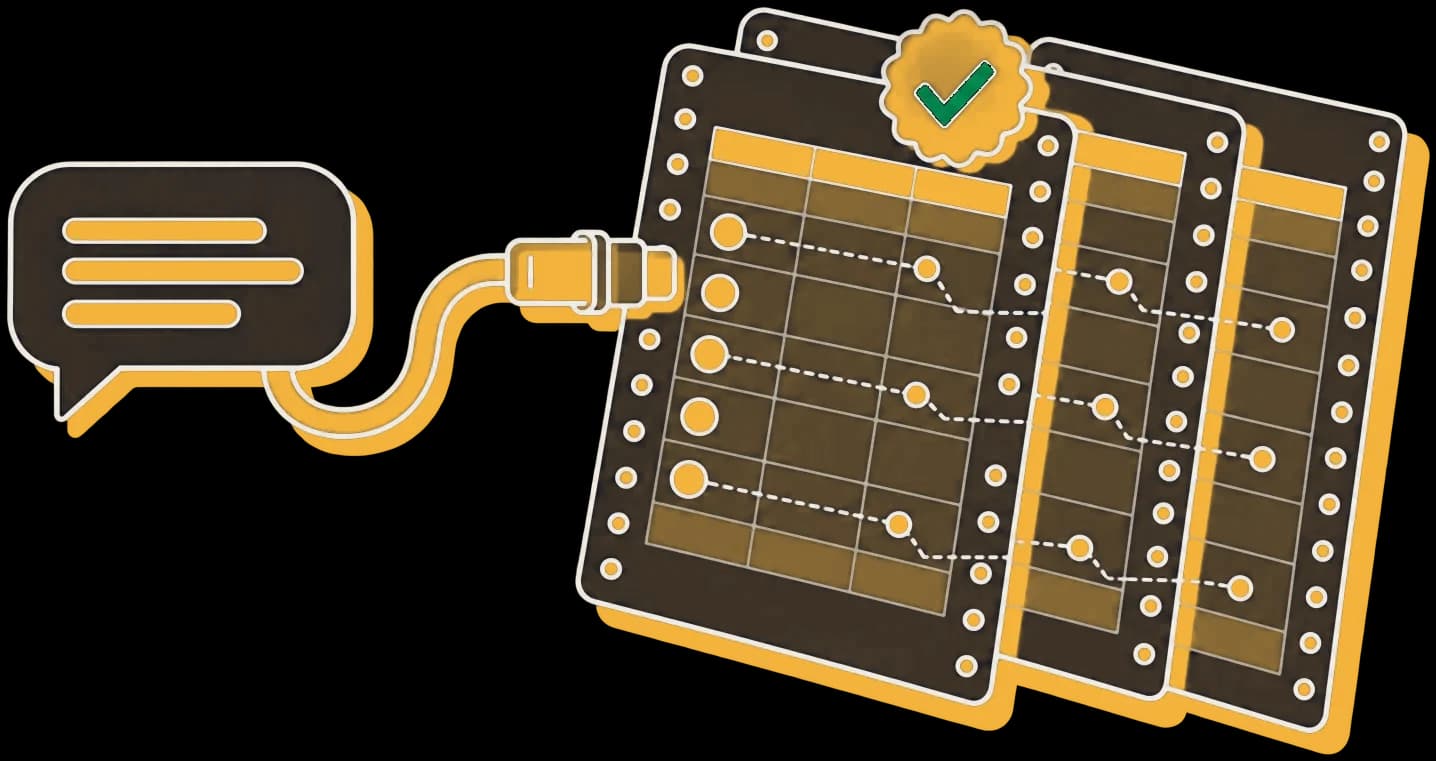
Misata is a remote MCP server for test data, demo data and sample databases. Connect it to Claude, Cursor or VS Code, ask for a dataset, and the assistant designs the tables while Misata generates the rows. Before anything comes back, every foreign key is checked, dates are put in order, and any total or rate you declared is recomputed on the delivered rows. No key is needed to start.
https://api.misata.studio/mcp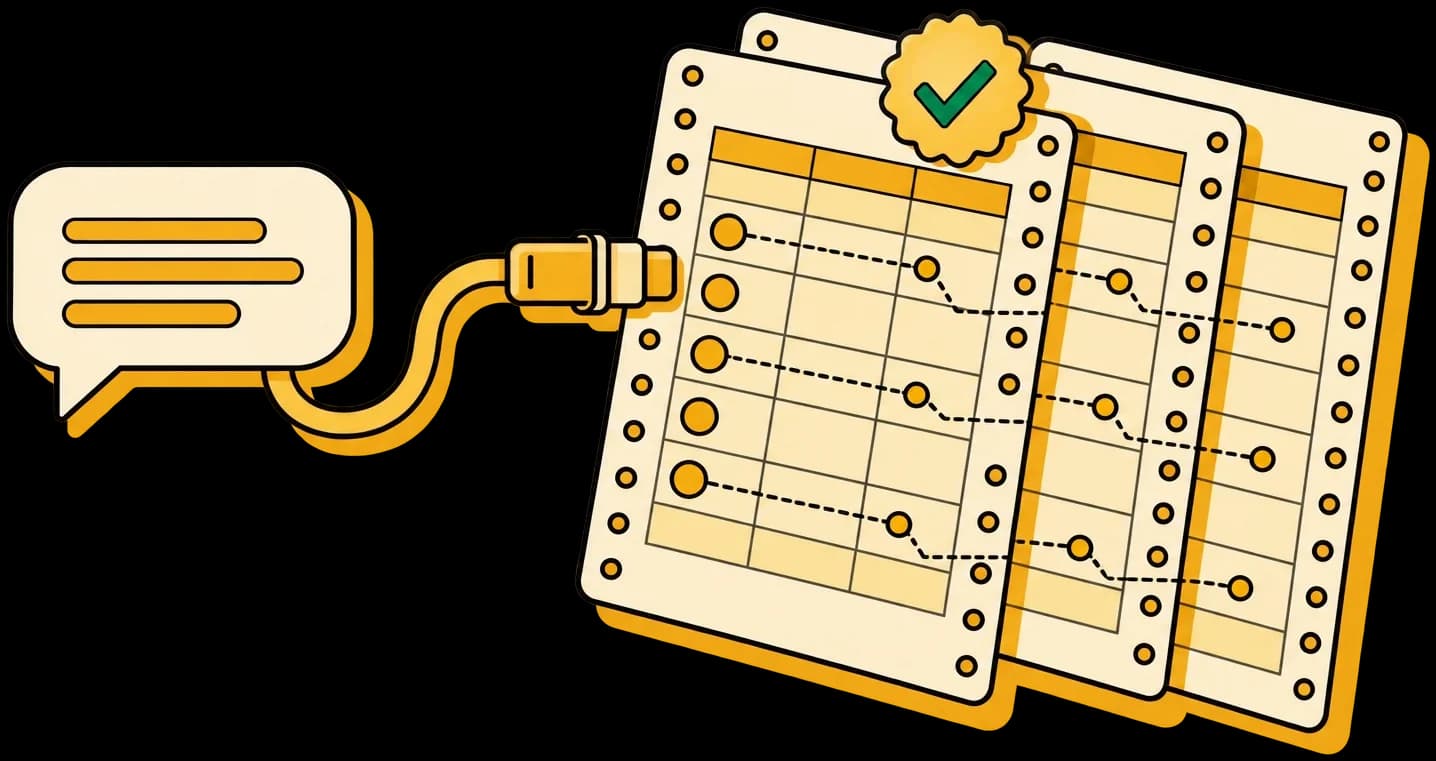
Connect in a minute
Claude.ai and Claude Desktop
Settings → Connectors → Add custom connector. Paste the server URL. Claude asks you to sign in to Misata the first time; no key to copy.
Claude Code
Run once in a terminal. Add --header "Authorization: Bearer msk_..." with a key from Studio Settings for the signed-in limits.
claude mcp add --transport http misata https://api.misata.studio/mcp
Cursor
Add to your MCP settings. File: ~/.cursor/mcp.json
{
  "mcpServers": {
    "misata": {
      "url": "https://api.misata.studio/mcp"
    }
  }
}VS Code
Add to the workspace MCP settings. File: .vscode/mcp.json
{
  "servers": {
    "misata": {
      "type": "http",
      "url": "https://api.misata.studio/mcp"
    }
  }
}Try asking
- “A Postgres seed for a SaaS app: 500 accounts, users, subscriptions and invoices, with churn at 4% a month.”
- “Practice data for a SQL interview: an online shop with orders, returns and a few planted data-quality problems.”
- “A machining dataset for SPC: shafts measured against a 25.000 mm nominal, with a tool that drifts and is reset.”
- “Do you have a ready-made insurance claims dataset I can download?”
Tools
generate_datasetMakes a relational dataset from a schema, CREATE TABLE statements, a blueprint or a sentence, and returns what was checked and what held.
plan_datasetShows the tables, sizes and relationships before any rows exist. Free.
blueprint_guide / validate_blueprintFor data that must behave like a real process: drift, wear, readings around a nominal. Validation runs a small preview first.
get_certificateThe full answer key: every claim stated against what the rows actually show.
query_datasetRead-only SQL over the dataset, so the agent can check a total or a join itself.
export_dataset25 formats: CSV, Parquet, SQL for seven databases, SQLite, DuckDB, Excel, dbt, Prisma, TypeScript, OpenAPI and more, as a download link.
find_ready_datasetLists the published free and premium datasets, so an agent can hand over one that already exists.
start_generation / get_status / cancel_generationPlain-English requests that take minutes run in the background.
whoamiSays whether the connection is signed in and what that allows.
Limits
| No account | Signed in | |
|---|---|---|
| Rows per dataset | 10,000 | 100,000 |
| Generations per hour | 10 | 60 |
| Running at once | 1 | 2 |
| Plain-English requests | With your own model key | Included |
| Datasets held for query and export | 2 hours | 2 hours |
Prefer to run everything on your machine? The open-source library has its own MCP server: pip install "misata[mcp]", then point your client at misata-mcp. Local setup
Questions
What is the Misata MCP server?
A remote Model Context Protocol server at api.misata.studio/mcp. An AI assistant connected to it can generate multi-table synthetic datasets, query them with SQL and export them, and every dataset comes back with a check of its foreign keys, date order and any totals or rates you declared.
Do I need an API key?
No. When the assistant designs the schema itself, which is the recommended path, generation needs no key and no account. Signing in raises the limits to 100,000 rows per dataset. Plain-English requests that Misata designs on its own model need you signed in, or your own Groq, OpenAI or Anthropic key sent as a header.
How is this different from asking the model for rows?
A model writing rows directly gets the shape right and the math wrong: keys that point nowhere, totals that do not add up, a rate nobody controlled. Here the model designs the tables and Misata generates the rows, then recomputes every declared relationship and number on the delivered data before returning it.
Can it fill my own database?
The hosted server never holds a database credential. export_dataset with format sql returns schema.sql and data.sql for your database (Postgres, MySQL, SQLite, SQL Server, Oracle, BigQuery or Snowflake) to run yourself. The open-source local server can seed a database directly with seed_database, and plans before writing.
Is there a local version?
Yes. The open-source library ships its own MCP server: pip install "misata[mcp]" and point your client at the misata-mcp command. It runs entirely on your machine, needs no key, and can seed a Postgres or SQLite database.
Is any of the data real?
No. Every row is generated. Nothing is copied or learned from a real dataset, so there is no personal data to leak.