





The data your demo needs,
shaped the way you need it.
Describe the dataset you need in one sentence. Misata builds every table from scratch, with no real data to copy and no code to write, and proves the numbers hold up.
Or take a free multi-table dataset, CC0, no sign-up. Built on an open-source engine you can read.
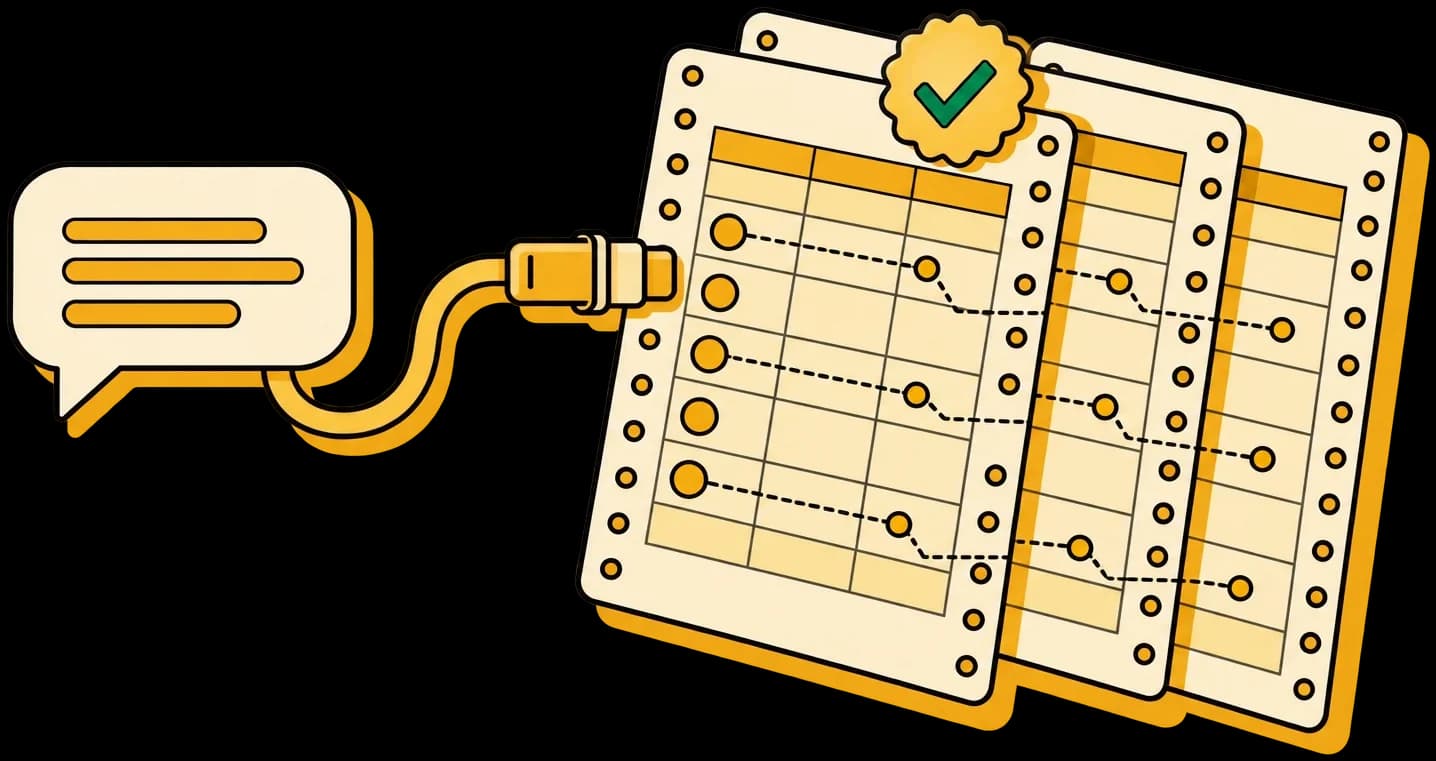
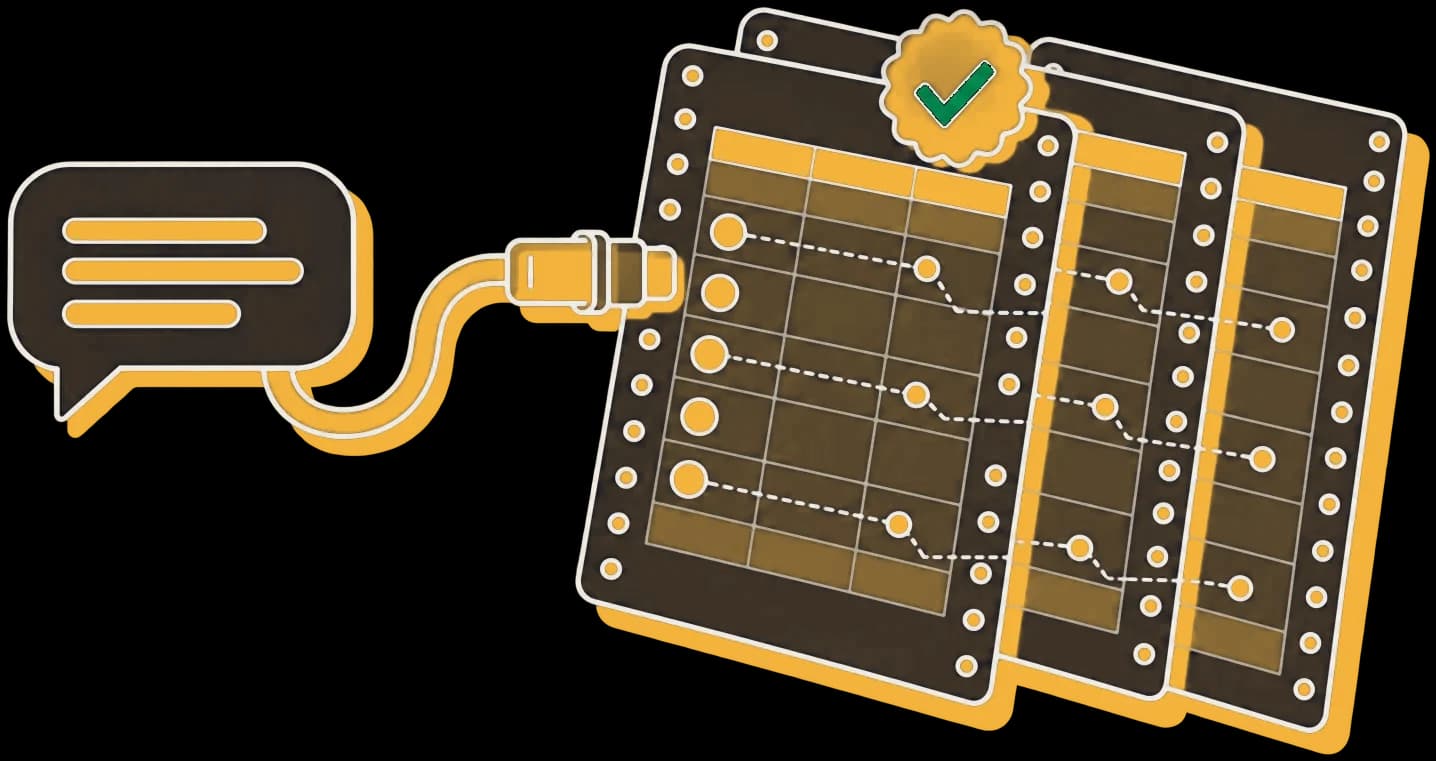
Change the declaration, or drag the target line. The dataset re-shapes to hit the exact number your story needs, every time, with the receipts to prove it.
Before a client hands over their real data, someone has to fake a convincing version of it. That someone is usually you, on a deadline.
The alternatives are all bad. Beg a developer and wait. Scrub production data and hope legal agrees. Or paste random rows into a spreadsheet that collapses the moment anyone looks: dates in the wrong order, totals that do not add up, a customer in row 12 who lives in two countries. Studio exists so the fake version is better than believable, and so you never touch code to get there.
A sentence is the fast way in,
not the only way in.
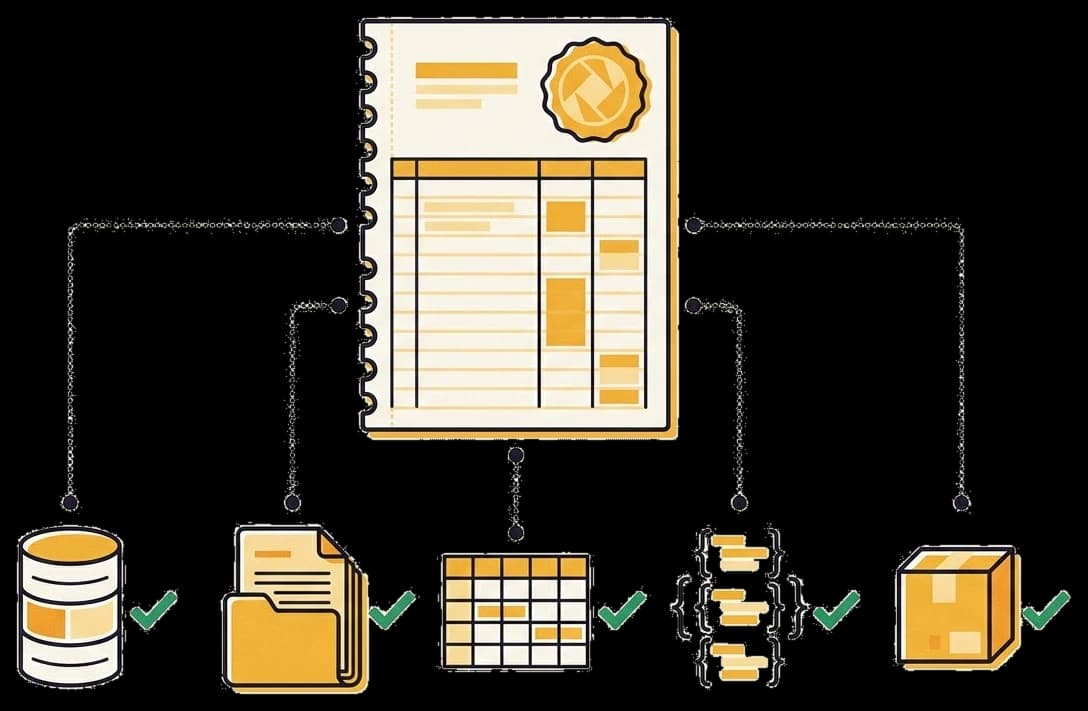
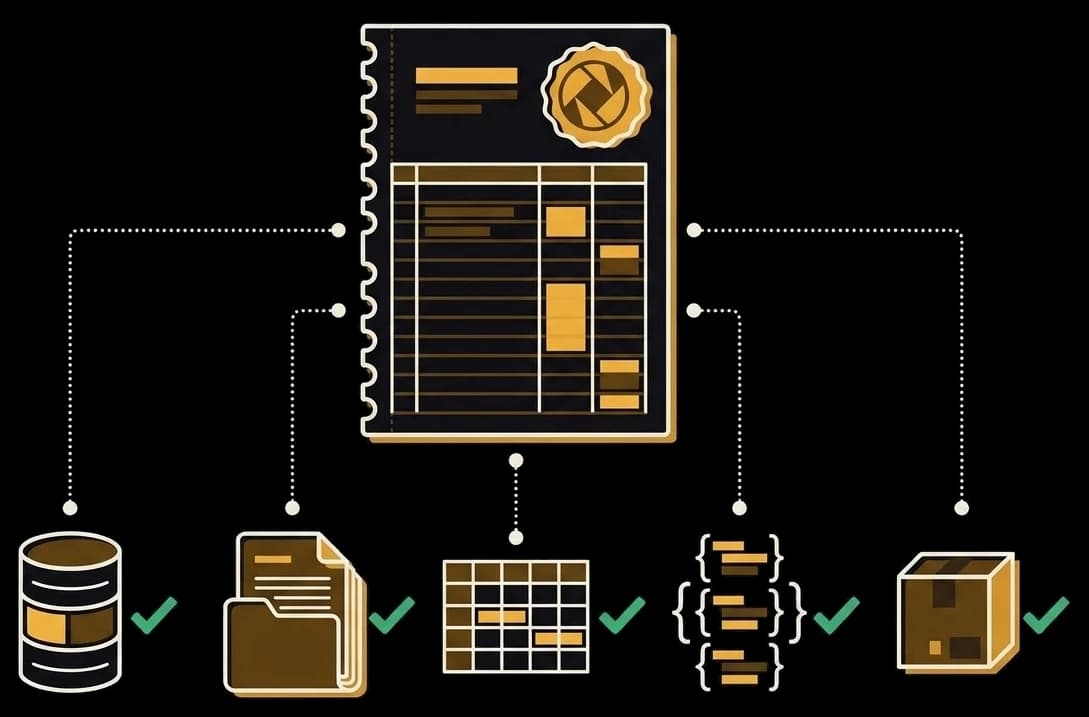
However you think about your data, Studio meets you there. Type it, draw it, import a schema you already have, or begin from a template. From that point on, every dataset shapes, corrects, and exports the same way.
Anyone can generate fake data.
This is data that holds up.
Studio is easy because the hard part is solved underneath it. Most tools copy a real dataset and hope the copy survives. Misata works the other way around: you declare the outcome, and a deterministic engine builds relational data that satisfies it exactly, then proves it did.
Change your mind
after you see it.
Most tools generate data once and leave you stuck with whatever came out. Studio lets you correct it. Move a trend, fix an unrealistic value, add a region column, and the rest of the data stays coherent: totals still reconcile, dates still make sense, related tables still match. It does not break underneath you. That is the difference between fake data and data you can actually present.
When a coherence check flags something, one click fixes what is safely fixable and tells you honestly what needs a decision from you. You are never guessing whether the data will embarrass you in the room.
Six ways in. Pick yours.
I need a dataset right now
Multi-table, joins that work, verified. Free, no sign-up.
My product's empty state is losing trials
Seed every demo and sandbox account from your own schema.
I need to fill a dev database
One command reads your schema and proves every key resolves.
I am building with an AI agent
An MCP server, so the agent designs and the engine guarantees.
Security review is asking about our test data
What to answer when they ask what sits in your lower environments.
I am comparing the options
Honest side-by-sides, including where Misata is the wrong tool.
I need something that is not here
Ask the person who builds it. No queue, no bot, usually same day.
I want to read the code first
MIT, on PyPI, with the maths written up in a paper.
The same engine, as a Python library.
Everything Studio does is powered by Misata, MIT licensed and yours to read. Generate from a sentence, a schema dict, or your existing database. It plugs into dbt, Databricks, and CI, and an MCP server lets an AI agent design the schema while the engine guarantees the math. No API key, no model, runs fully offline.
Make your next demo
believable in minutes.
Studio is in public beta. Describe what you need, shape it, correct it, and export it. If something is missing for your use case, tell us and we will build toward it.
There is no support queue. Just me.
Misata is built by one person, so anything you send is read by the person who can actually change it. Ask how to model something awkward, tell me what data shape you keep wishing existed, or point at the thing that broke.
Requests that come with a real use case tend to get built first, because they are the ones I can verify I got right.

